Marijuana addiction remains one of the most common—and most insidious—recreational drug dependencies. Across the nation, nearly 12 million individuals suffer from marijuana addiction, including over 33 percent of teenagers in the 13 to 18-year age range. While many chronic marijuana smokers often take measures to reduce the visibility of theirContinue Reading

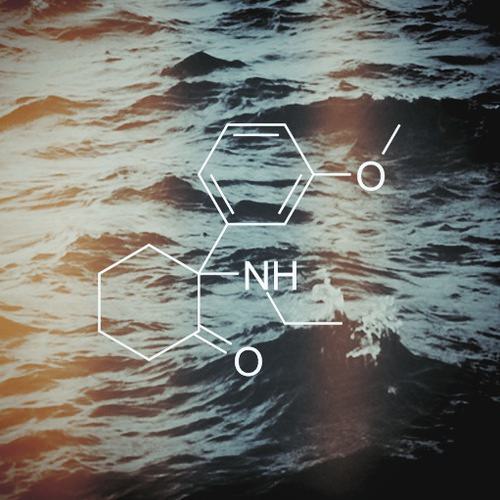
As a strong dissociative drug, ketamine (also known as “Special K”) can cause severe mental impairment in chemically dependent individuals. Affecting clarity of cognition, memory formation and even severe delusions, ketamine clouds the mind during both the period of intoxication and beyond. Unless ketamine addiction is properly treated in anContinue Reading

When drug or alcohol dependency has been effectively treated through an inpatient addiction recovery facility, life begins to take on a new sense of hope and promise. However, the transition between an inpatient rehab stay and your new life can sometimes be a bumpy one, causing many dependent individuals toContinue Reading

Sometimes, drug or alcohol dependency occurs alongside a secondary mental health condition. In these specialized situations, known as “dual diagnosis” cases, chemically dependent individuals need experienced, professional addiction recovery experts that can treat both conditions. In fact, studies have shown that dual diagnosis treatment patients benefit from holistic rehabilitation centersContinue Reading

Effects of Crystal Meth Addiction on the Nervous System

The body’s nervous system becomes intensely compromised during crystal meth addiction. Shortly after crystal meth is introduced into the system, natural brain chemistry becomes altered, upsetting the user’s balance of important neurotransmitters. As drug dependency develops over time, crystal meth can cause a host of neurological changes in the bodyContinue Reading

For many years, the addiction industry has insisted on the genetic model of addiction as the only acceptable paradigm. However, while genetics can contribute to drug or alcohol addiction development, it often only offers a partial picture. Twin studies and other scientific research show that genetics only plays a smallContinue Reading

When amphetamine withdrawal sets in, the brain and body go through a series of unpleasurable reactions. Because amphetamines share a similar structure to the brain’s pleasurable and positive natural hormones—known as neurotransmitters—amphetamine abuse causes the body to initially spike and then eventually lower its production of these important chemicals. AsContinue Reading

A treatment approach with its roots in integrative medicine can make the difference in any addiction rehab program. Integrative medicine focuses on causes—not symptoms—of any ailment in the body, including chemical dependency. With an end goal of returning the chemically dependent individual’s body to a natural state of balance knownContinue Reading

Personality changes can occur as drug dependency begins to take a physical hold on a dependent individual. Illegal drugs start to affect brain function—including the areas regulating cognition and mood—by altering chemical messengers in the brain known as neurotransmitters. While some illicit drugs create specific and predictable alterations in personality,Continue Reading

When dependency has been successfully stopped through an alcohol and drug recovery program, previously dependent individuals take the first steps in the journey of their new, sober lives. This transitional period can be a pivotal time for recovered individuals, positioning them for success in sober living and achievement of aContinue Reading

After treatment, recovered individuals head back to their home environment. For some, this transition can be anxiety producing, as previously dependent individuals may worry about stepping into a new life of sobriety. While these worries are natural, they are not cause for alarm. Once the body has recovered from physiologicalContinue Reading

As human beings, we are more than simply a conglomeration of cells, electrical impulses, and organs. Unfortunately, many drug and alcohol treatment programs emphasize the importance of psychological dependency, overemphasizing the role of genetics or physical addiction. While medical detox is certainly a vital part of recovery, chemical dependency relapseContinue Reading