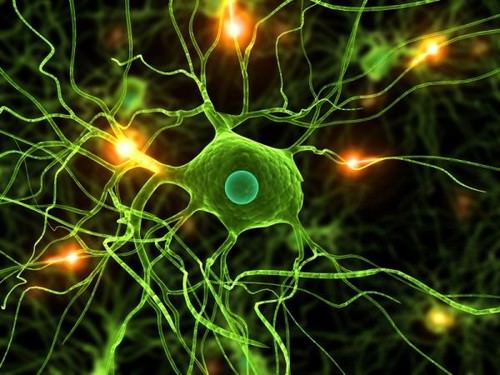
By Jennifer McDougall Many times when ecstasy users grab ahold of this drug, they don’t realize the amount of danger they are putting themselves in. Ecstasy is one of the scariest drugs because a person can overdose on it before they have time to rewind and retrace their steps orContinue Reading


Malibu, Calif. (May 17, 2012) Passages Malibu and Passages Ventura, the world’s leading drug and alcohol rehab centers, are proud to support the first annual National Prevention Week, held from Monday, May 21, 2012, through Friday, May 25, 2012. This health observance is an opportunity for community members and leaders to learn moreContinue Reading

Many of the articles we read and the studies we observe discuss drug and alcohol abuse in the United States.  However, drug and alcohol abuse is a worldwide problem and has been an issue in numerous countries for centuries. Research studies show that specific drugs used vary from country toContinue Reading

Many people often hear the term “denial” or the phrase “being in denial” when discussing an individual with a substance abuse issue. Unfortunately, many individuals who have been abusing drugs or alcohol for an extended time get very good at hiding and covering up their actions and have a hardContinue Reading

What Does an Ecstasy High Feel Like? Within an hour of taking ecstasy, users start to feel tingling on your skin, slight nausea and bursts of excitement. As ecstasy trips reach their peak, users often experience a sense of peace and happiness, as well as relaxation and heightened connectedness toContinue Reading

What Is Ecstasy? Ecstasy is the most common name for methylene-dioxymethyl amphetamine (MDMA)—a stimulant with hallucinogenic properties. Ecstasy ‘s street names include “X,” “E,” “Adam,” or “XTC.” The ecstasy compound was first synthesized in 1912, and found notoriety in the 1970s, when it began to gain popularity as a tool forContinue Reading

Is Ecstasy Physically Addictive? Ecstasy in its purest form is not considered physically addictive in the traditional sense of the term. However, ecstasy does affect the brain’s neurotransmitters, which can lead to a chemical imbalance that helps fuel addiction. What Causes Ecstasy Addiction? Ecstasy acts on brain chemicals—known as “neurotransmitters”—thatContinue Reading