What Is LSD? LSD (lysergic acid diethylamide) is a semi-synthetic hallucinogen with psychedelic properties, originally derived from the ergot fungus in 1938. Commonly known as “acid,” LSD causes users to experience altered perceptions, sensory distortions, and other hallucinations. Gaining notoriety during the 1960s drug pandemic, LSD is considered non-toxic andContinue Reading

Is LSD Physically Addictive? LSD is not physically addictive—as such, LSD usage does not result in withdrawal symptoms. With repeated use it is possible for you to develop a psychological dependence to the habitual effects of LSD. What Causes LSD Addiction? With repeated uses, it is possible to develop aContinue Reading

Physical Effects of Ketamine Abuse

What Does a Ketamine High Feel Like? At lower doses, ketamine acts a weak stimulant. When dosage increases, ketamine hits users as an intense psychedelic. As a dissociative drug, ketamine causes users to feel painlessness by impeding messages between the brain and body. Perception becomes distorted, and users often experienceContinue Reading

Is Ketamine Physically Addictive? Ketamine does not meet the criteria for physically addictive drugs. In fact, Ketamine’s widespread use in medicine as a mild anesthetic is due in large part to its nonaddictive properties. However, when used recreationally, ketamine users have the potential of developing a psychological addiction to itsContinue Reading

Is Heroin Physically Addictive? Heroin is one of the most physically addictive drugs in existence. In fact, many people become hooked on heroin after only a single use. Almost a quarter of all heroin users are physically dependent on the drug, and it is considered much more addictive than otherContinue Reading

What Is GHB? Naturally produced by the body, Gamma-Hydroxybutyrate—commonly known as “GHB”—is a neurotransmitter that helps transmit messages in the brain. When produced synthetically, GHB is a central nervous system depressant, with intoxicating, euphoric and dissociative effects. With effects that resemble a combination of alcohol and ecstasy, GHB is referredContinue Reading

Is GHB Physically Addictive? GHB is not considered in most people to be physically addictive. However, heavy users who stop cold turkey without supervision by an inpatient drug rehab program can experience high anxiety, insomnia, and arrhythmia (irregular heartbeat). Sometimes it can take up to three weeks for these symptomsContinue Reading

What Is Ecstasy? Ecstasy is the most common name for methylene-dioxymethyl amphetamine (MDMA)—a stimulant with hallucinogenic properties. Ecstasy ‘s street names include “X,” “E,” “Adam,” or “XTC.” The ecstasy compound was first synthesized in 1912, and found notoriety in the 1970s, when it began to gain popularity as a tool forContinue Reading

Is Ecstasy Physically Addictive? Ecstasy in its purest form is not considered physically addictive in the traditional sense of the term. However, ecstasy does affect the brain’s neurotransmitters, which can lead to a chemical imbalance that helps fuel addiction. What Causes Ecstasy Addiction? Ecstasy acts on brain chemicals—known as “neurotransmitters”—thatContinue Reading

Is Cocaine Physically Addictive? Acting primarily on the neurotransmitter dopamine, cocaine is a highly physically addictive drug. While not everyone who tries cocaine becomes addicted, even intermittent use can rapidly lead to physical dependency. What Causes Cocaine Addiction? Cocaine addiction develops extremely rapidly due to the drug’s strong effects onContinue Reading

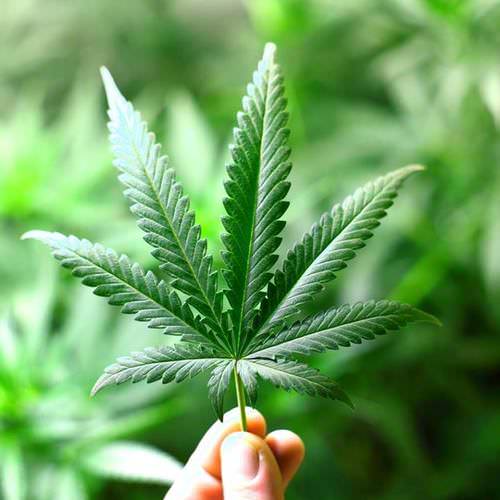
Is Marijuana Physically Addictive? While marijuana isn’t inherently physically addictive, some users—especially those with prolonged and heavy marijuana use—do experience symptoms of physical withdrawal addiction. What Causes Marijuana Addiction? Much of the addictions to marijuana that occur come from psychological addiction and behavioral addiction—the repeated activating of the brain’s rewardContinue Reading

One of the most important aspects of alcohol recovery is individualized therapy offered by inpatient alcohol counseling programs. In therapy, you can gain perspective to promote healthy self views, find the courage to heal, and address any buried emotional trauma that may fuel your alcohol addiction. However, those of usContinue Reading

Most experts will agree that counseling is a vital component of successful inpatient drug rehab. However, not all inpatient drug counseling programs are created equal. Formats can vary from highly individualized counseling to generalized group therapy, and styles can include straightforward awareness education, practical approaches, or trauma therapy. Regardless ofContinue Reading

Marijuana addiction remains one of the most common—and most insidious—recreational drug dependencies. Across the nation, nearly 12 million individuals suffer from marijuana addiction, including over 33 percent of teenagers in the 13 to 18-year age range. While many chronic marijuana smokers often take measures to reduce the visibility of theirContinue Reading

As a strong dissociative drug, ketamine (also known as “Special K”) can cause severe mental impairment in chemically dependent individuals. Affecting clarity of cognition, memory formation and even severe delusions, ketamine clouds the mind during both the period of intoxication and beyond. Unless ketamine addiction is properly treated in anContinue Reading

Effects of Crystal Meth Addiction on the Nervous System

The body’s nervous system becomes intensely compromised during crystal meth addiction. Shortly after crystal meth is introduced into the system, natural brain chemistry becomes altered, upsetting the user’s balance of important neurotransmitters. As drug dependency develops over time, crystal meth can cause a host of neurological changes in the bodyContinue Reading

As human beings, we are more than simply a conglomeration of cells, electrical impulses, and organs. Unfortunately, many drug and alcohol treatment programs emphasize the importance of psychological dependency, overemphasizing the role of genetics or physical addiction. While medical detox is certainly a vital part of recovery, chemical dependency relapseContinue Reading