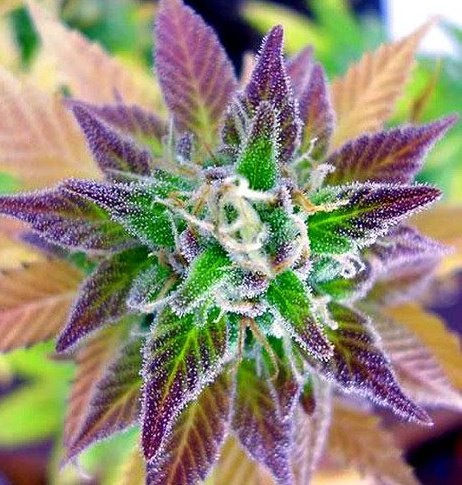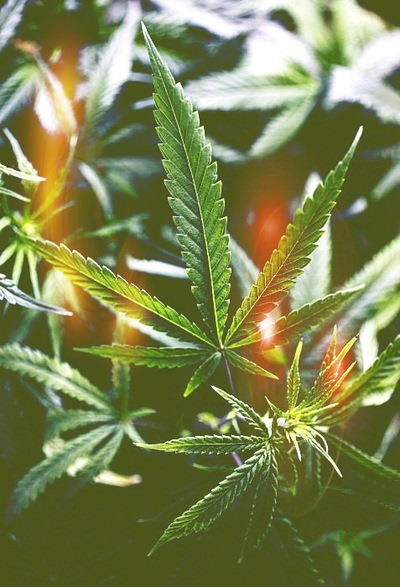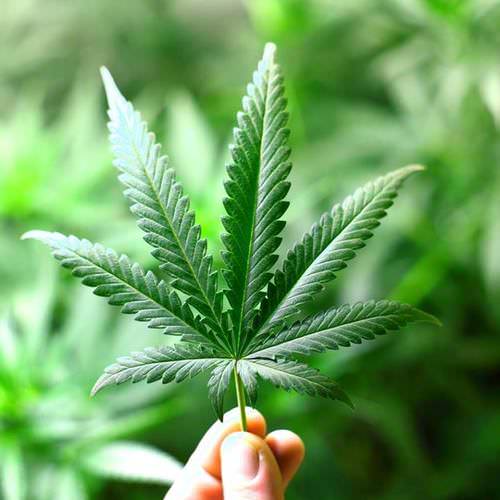
What Does a Marijuana High Feel Like? A marijuana high is a generally pleasant experience that creates a dreamlike intoxicated state. Marijuana users often feel a sense of mild euphoria and mood enhancement as relaxation takes hold. Muscles relax, and the world seems absurd and funny, often giving way toContinue Reading

Is Marijuana Physically Addictive? While marijuana isn’t inherently physically addictive, some users—especially those with prolonged and heavy marijuana use—do experience symptoms of physical withdrawal addiction. What Causes Marijuana Addiction? Much of the addictions to marijuana that occur come from psychological addiction and behavioral addiction—the repeated activating of the brain’s rewardContinue Reading

What Are Amphetamines? Amphetamines comprise a powerful class of synthetic stimulants that first were created in 1887. Amphetamines’ stimulant properties make them medically useful for a narrow spectrum of disorders. In fact, amphetamines are often used to treat narcolepsy or attention deficit hyperactivity disorder (ADHD) under brand names such asContinue Reading

Are Amphetamines Physically Addictive? Amphetamines are a class of extremely addictive drugs, and occasional use can result in long-term physical addiction. Users rapidly develop tolerance, physical and psychological dependence to amphetamines. What Causes Amphetamine Addiction? Amphetamines create a sense of euphoria by affecting the levels of dopamine in the brain.Continue Reading

After countless attempts at recovering from alcohol addiction, it can be easy to become discouraged by relapse, losing hope, self esteem, and even resigning yourself to a lifetime of addiction. Sadly, many societal beliefs reinforce this defeatist attitude—even within the addiction industry itself. However, with the help of effective, confidentialContinue Reading

Countless Americans have struggled with prescription drug abuse and subsequent addiction. For some, prescription drug addiction begins with a legitimate prescription that becomes physically addictive due to the length and amount of dosage. For others, the euphoria that certain prescription drugs provide provides an escape from negative self-beliefs or buriedContinue Reading

The Effects of Cocaine Addiction on the Body

The effects of cocaine addiction on the body vary due to a host of factors—including cocaine purity, method of use, and dosage levels. However, even short-term cocaine addiction can cause damaging health effects, from congestion and shaking to serious respiratory and cardiac conditions. The Effects of Cocaine Addiction on theContinue Reading

Marijuana addiction remains one of the most common—and most insidious—recreational drug dependencies. Across the nation, nearly 12 million individuals suffer from marijuana addiction, including over 33 percent of teenagers in the 13 to 18-year age range. While many chronic marijuana smokers often take measures to reduce the visibility of theirContinue Reading

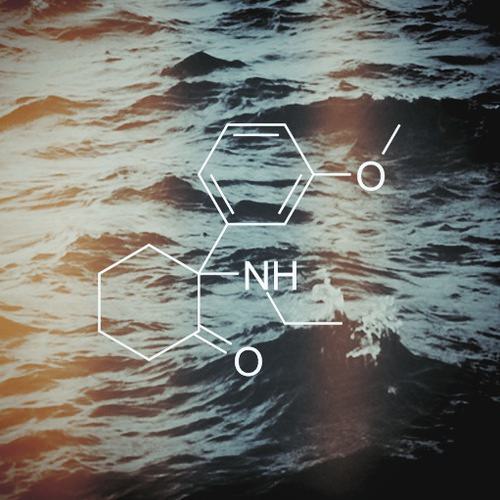
As a strong dissociative drug, ketamine (also known as “Special K”) can cause severe mental impairment in chemically dependent individuals. Affecting clarity of cognition, memory formation and even severe delusions, ketamine clouds the mind during both the period of intoxication and beyond. Unless ketamine addiction is properly treated in anContinue Reading

Medical detox can be a powerful first step in eliminating drug and alcohol addiction from your life. However, the physical component of addiction is almost always accompanied by psychological addiction—also known as the “psychic need”—that causes dependent individuals to turn to drugs or alcohol in the first place. As youContinue Reading

Effects of Crystal Meth Addiction on the Nervous System

The body’s nervous system becomes intensely compromised during crystal meth addiction. Shortly after crystal meth is introduced into the system, natural brain chemistry becomes altered, upsetting the user’s balance of important neurotransmitters. As drug dependency develops over time, crystal meth can cause a host of neurological changes in the bodyContinue Reading

For many years, the addiction industry has insisted on the genetic model of addiction as the only acceptable paradigm. However, while genetics can contribute to drug or alcohol addiction development, it often only offers a partial picture. Twin studies and other scientific research show that genetics only plays a smallContinue Reading

When amphetamine withdrawal sets in, the brain and body go through a series of unpleasurable reactions. Because amphetamines share a similar structure to the brain’s pleasurable and positive natural hormones—known as neurotransmitters—amphetamine abuse causes the body to initially spike and then eventually lower its production of these important chemicals. AsContinue Reading

A treatment approach with its roots in integrative medicine can make the difference in any addiction rehab program. Integrative medicine focuses on causes—not symptoms—of any ailment in the body, including chemical dependency. With an end goal of returning the chemically dependent individual’s body to a natural state of balance knownContinue Reading

Personality changes can occur as drug dependency begins to take a physical hold on a dependent individual. Illegal drugs start to affect brain function—including the areas regulating cognition and mood—by altering chemical messengers in the brain known as neurotransmitters. While some illicit drugs create specific and predictable alterations in personality,Continue Reading

As human beings, we are more than simply a conglomeration of cells, electrical impulses, and organs. Unfortunately, many drug and alcohol treatment programs emphasize the importance of psychological dependency, overemphasizing the role of genetics or physical addiction. While medical detox is certainly a vital part of recovery, chemical dependency relapseContinue Reading