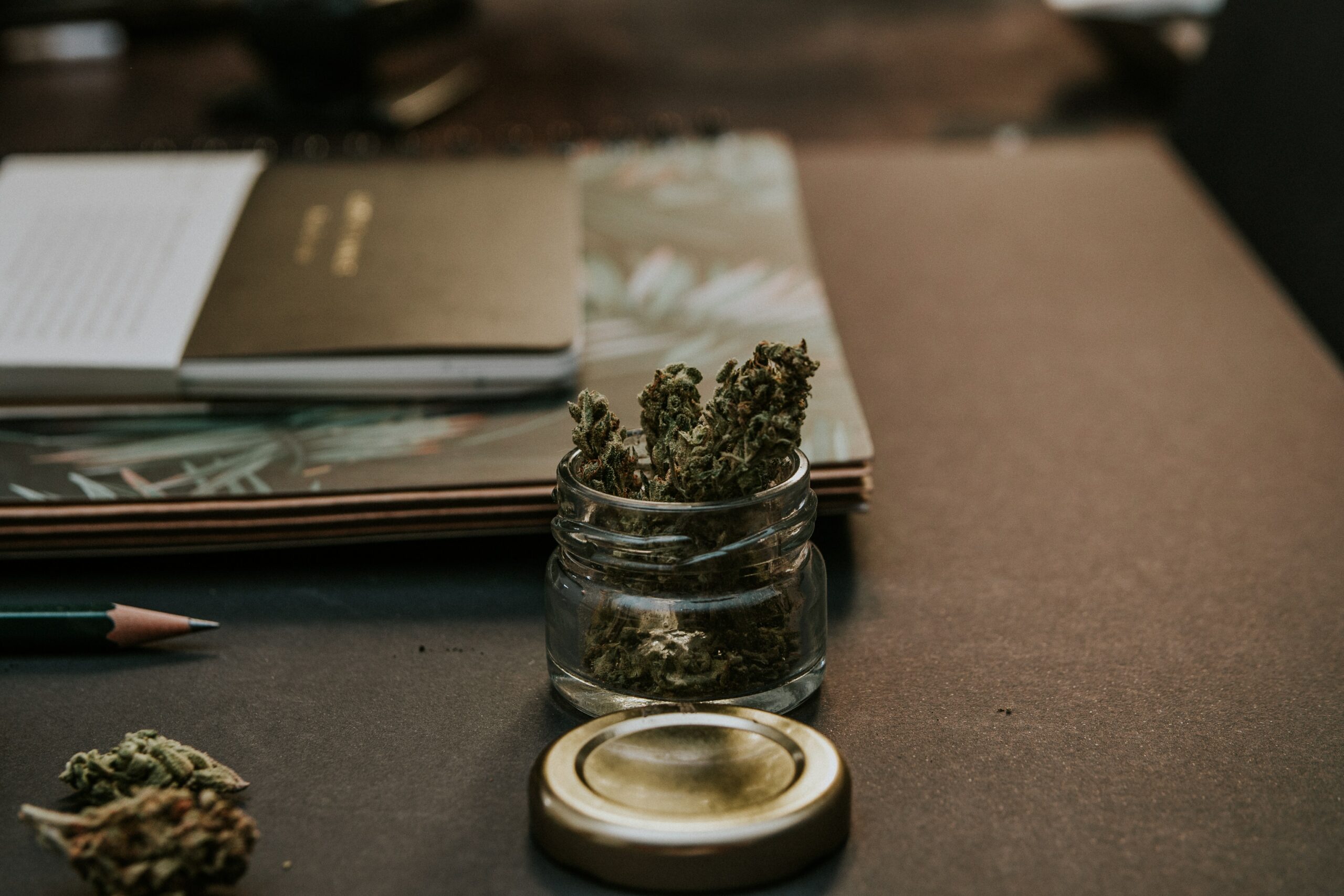
Marijuana addiction remains one of the most common—and most insidious—recreational drug dependencies. Across the nation, nearly 12 million individuals suffer from marijuana addiction, including over 33 percent of teenagers in the 13 to 18-year age range.
While many chronic marijuana smokers often take measures to reduce the visibility of their dependency, the symptoms of marijuana addiction eventually become apparent—and problematic—requiring inpatient rehab stays to treat thoroughly.
Symptoms of Marijuana Addiction
No single symptom can definitively indicate that marijuana addiction is present in your own life or that of those you love. However, suppose you recognize several signs of marijuana addiction listed below. In that case, you may want to call an inpatient rehab facility and speak with a confidential intake counselor to assess potential chemical dependency further.
- Bloodshot Eyes
Like alcohol, marijuana addiction leads to blood vessel inflammation, causing eyes to appear “glassy” or bloodshot. - Clumsiness
As marijuana begins to affect the brain’s neurotransmitter levels, motor skills become compromised, leading marijuana users to display clumsiness in their daily tasks, spilling liquids, tripping over objects, and frequently dropping items in their hands. - Unexplained Laughter
Because marijuana affects perception, many struggling with marijuana addiction will find oddities and humor in everyday situations that usually would not be considered amusing when sober. - Mental Slowness
One of the symptoms of marijuana addiction is slowed cognition, leading to clouded thoughts and jumbled verbal or written expressions. - Forgetfulness
Short-term memory problems are a hallmark symptom of marijuana addiction. Addicted individuals will often have incredibly short attention spans and noticeably impaired memories. - Lethargy
Lethargy is one of the symptoms of marijuana addiction that builds over time. Marijuana-dependent individuals will experience sedation, become quickly tired, or give in to a sense of inertia. - Appetite Increase
Weight gain is typical among those battling marijuana addictions. As brain chemistry becomes altered, appetite increases, and carbohydrate and sugar cravings increase, in a condition known as “the munchies.” - Paraphernalia
Many chronic marijuana smokers will have paraphernalia around their homes, including bongs, glass pipes, rolling papers, or homemade smoking devices. - Unexplained Burns
Due to intoxication and clumsiness, marijuana-addicted individuals will often have unexplained burn marks on their clothing and bodies—particularly on the thumb and forefinger due to the motion of grasping smoldering joint remnants. - Depression
Over time, marijuana addiction can lead to symptoms of depression. Activities that were once enjoyable fall by the wayside, and a lack of motivation and exhaustion set in. Sleep patterns tend to be disturbed, and athletic, work, or school performance declines. Further, paranoia may also set in, compromising relationships and interpersonal interactions and further fueling depression.
How to Contact Passages Addiction Treatment Centers:
Call Passages Addiction Treatment Center today if you or a loved one is battling an addiction to drugs and alcohol. Our admissions department is available 24/7 and can be reached directly by dialing our toll-free number at (888) 397-0112. We look forward to speaking with you soon.

